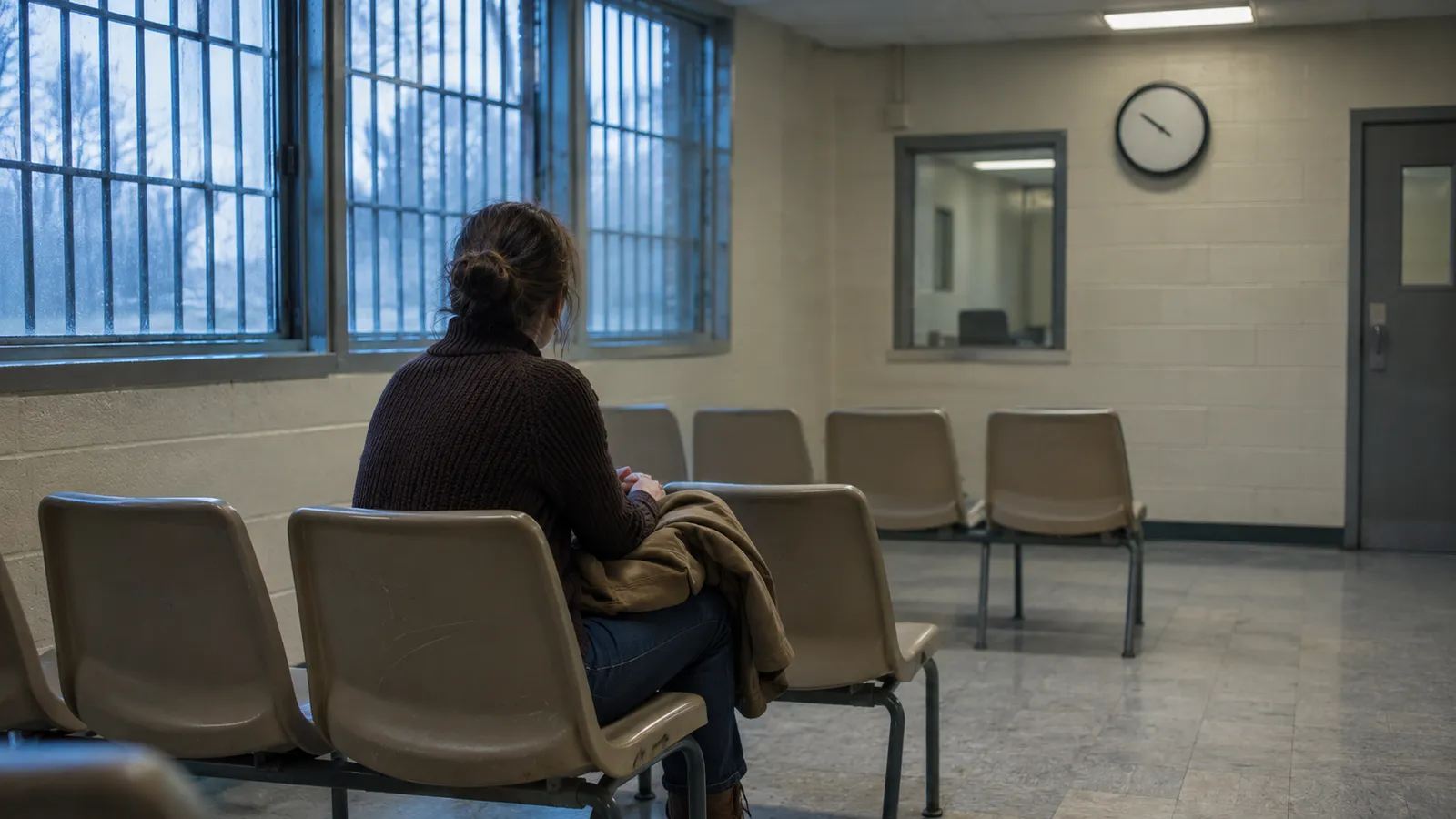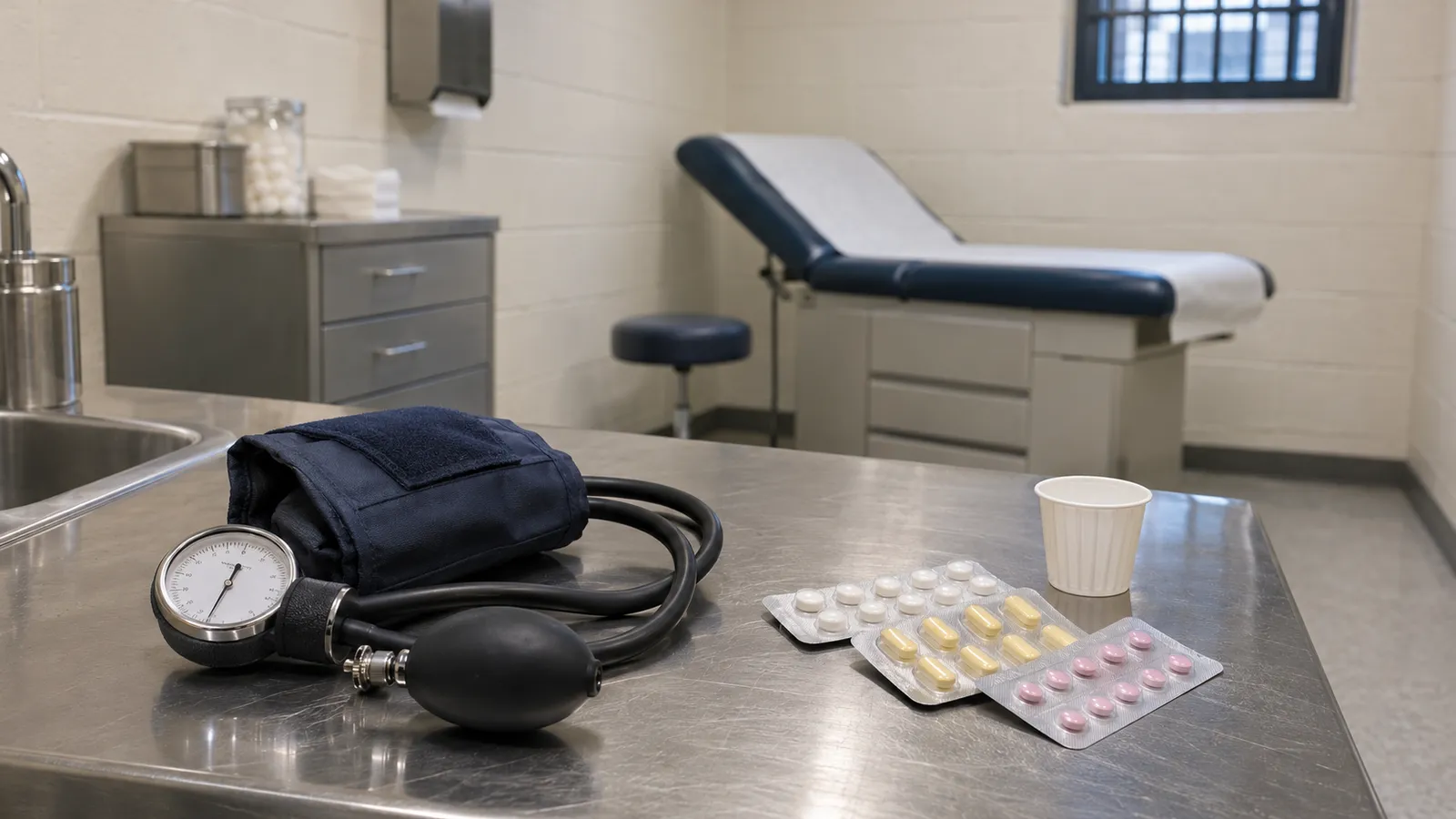
Jails must provide medical care to the people they hold, and the Supreme Court has said that ignoring a serious medical need violates the Constitution. In practice, care starts with an intake screening and runs through written sick-call requests, a jail pharmacy, and sometimes a small copay. Families help most by giving the jail medical unit accurate information about diagnoses, medications, and outside doctors as early as possible.
What the law requires jails to provide
A person in jail cannot go see their own doctor or pick up a prescription. Because of that, the government has a duty to provide medical care. The key case is Estelle v. Gamble, decided by the Supreme Court in 1976. The Court held that "deliberate indifference" to a prisoner's serious medical needs violates the Eighth Amendment. That can mean a doctor who refuses treatment, or a guard who blocks or delays care that was ordered.
The same case also set a limit. Ordinary mistakes or medical malpractice are not enough for a constitutional claim. In Estelle, the prisoner had been seen by medical staff many times, and the Court said a decision not to order an X-ray was at most malpractice, which belongs in state court.
Most people in county jails have not been convicted. Their rights come from the Due Process Clause of the Fourteenth Amendment instead of the Eighth Amendment. In Kingsley v. Hendrickson (2015), the Supreme Court said a pretrial detainee claiming excessive force only has to show the force was objectively unreasonable. Federal appeals courts disagree on whether that easier test also applies to medical care claims, so the standard depends on where the jail is located.
Disability law applies too. Title II of the Americans with Disabilities Act covers jails. That means reasonable accommodations such as a lower bunk, a wheelchair-accessible cell, hearing aids, or a sign language interpreter for medical visits.
What happens at intake
Medical care starts at booking. A nurse or trained officer asks screening questions about current illnesses, medications, allergies, drug and alcohol use, pregnancy, and thoughts of self-harm. Blood pressure and other vital signs are usually checked.
Jails that follow the National Commission on Correctional Health Care (NCCHC) standards have tighter rules starting this year. The 2026 edition of the NCCHC jail standards, which accredited facilities must meet as of January 1, 2026, requires the receiving screening within six hours of admission. It also requires a chronic disease management program and help applying for health insurance as part of discharge planning. NCCHC accreditation is something a jail chooses to seek, so not every jail follows these standards.
Withdrawal is one of the biggest risks in the first days. Alcohol and benzodiazepine withdrawal can cause seizures and can be fatal without treatment. Opioid withdrawal is painful and raises the risk of dehydration and overdose after release. If your family member drinks heavily or uses drugs daily, the jail medical staff need to know right away.
- The person being booked should answer screening questions honestly. Leaving out a drug or alcohol habit can lead to untreated withdrawal.
- If you know your family member was arrested and has a serious condition, call the jail the same day. Do not wait for them to call you.
How to tell the jail about a medical condition or prescription
Start by finding the right contact. Most jails list a medical unit phone number, fax, or email on the sheriff's website. Many jails use a private health contractor, and the contractor runs the medical unit. If you cannot find a number, call the main jail line and ask for the medical department or the health services administrator.
Give them clear, written information. A short letter or fax works better than a phone call because it creates a record. Include:
• Full name, date of birth, and booking number
• Diagnoses (for example, Type 1 diabetes, seizure disorder, bipolar disorder)
• Each medication with the exact dose and schedule
• Drug allergies
• Name and phone number of the prescribing doctor and the pharmacy that fills the prescriptions
Staff often will not share information with you because of medical privacy rules. That does not stop them from receiving information from you. Ask them to place your letter in the medical file, and keep a copy plus any fax confirmation.
If you want updates, ask the jail for its medical release form. Your family member signs it inside, naming you. Without that form, expect most staff to say they cannot confirm anything.
- Ask the outside pharmacy for a printout of current prescriptions. It is the fastest way for the jail to verify medications.
- Write down the date, time, and name of everyone you talk to.
Can you bring medication to the jail?
Usually not. Most jails will not give out medication brought in by family. The jail doctor writes new orders, and the jail pharmacy fills them. Some jails do accept prescriptions in the original labeled pharmacy bottle so staff can verify what the person takes, then decide what to prescribe. Controlled drugs are almost always refused. Call before you drive over.
Expect some changes to the medication list. Jails use a formulary, which is a list of approved drugs, often generics. A brand-name drug may be switched to a similar one. Many jails stop or replace controlled medications such as opioid pain pills, benzodiazepines, and stimulants for ADHD. If a switch causes problems, your family member should file a sick-call request describing the symptoms.
Medications are usually handed out at set times during "med pass" or "pill call," and staff watch the person take them. Missing pill call can mean missing a dose, so the person should learn the schedule.
Over-the-counter items like pain relievers, antacids, and allergy pills are often sold through commissary instead of through the medical unit. Some counties now offer basic OTC medications free. Sacramento County, California, for example, started providing free OTC medications through the jail commissary in late 2023.
Medication for opioid use disorder
If your family member takes buprenorphine (Suboxone and similar), methadone, or naltrexone, tell the jail immediately and give the name of the prescriber or clinic.
The U.S. Department of Justice issued ADA guidance in April 2022 on opioid use disorder. It says people who take prescribed medication for opioid use disorder are generally protected by the ADA, and it gives an example: a jail with a blanket policy refusing to let incoming people continue their prescribed medication would violate the ADA.
That does not guarantee the exact same drug or dose in every case, since a medical judgment can still be made about an individual. But a jail that stops everyone's treatment as a rule is on weak legal ground. If treatment is cut off, tell the defense attorney and put the problem in writing to the medical unit.
Sick call: how your family member asks for care
For non-emergencies, care starts with a sick-call request, sometimes called a medical request or medical kite. It may be a paper form or a request on a tablet or kiosk. A nurse reviews it and decides whether the person needs a nurse visit, a doctor visit, a dental visit, or a mental health appointment.
Tell your family member to keep requests short and specific: what the symptom is, when it started, and whether it is getting worse. If the problem continues, they should submit a new request each time rather than waiting. Each request becomes part of the record.
Ask them to keep copies or note the date and request number of everything they submit. If a jail uses electronic requests, the system often shows the history.
Medical copays in jail
Many jails charge a fee when a person asks to be seen. The fee is usually taken from the person's commissary or trust account. Amounts are set locally and vary. County jail policies we reviewed listed fees from a few dollars to around $25, with doctor visits often costing more than nurse visits. Check the jail's inmate handbook or website for the current fee.
Common rules in jail copay policies:
• Fees apply to care the person requests, not to intake screenings or emergencies.
• Many policies say no one can be denied needed care because they cannot pay. The balance may go negative and be collected from later deposits.
• Follow-up visits ordered by the medical staff are often free.
Some states have ended copays. California's AB 45, signed in October 2019 and in effect since January 1, 2020, bars both state prisons and county jails from charging copays for medical and dental care, and from charging for items such as glasses and dentures. Other states have dropped copays in their state prisons only, which does not always cover county jails. A 2022 Prison Policy Initiative review found that state prison copays before the pandemic typically ran $2 to $5.
- Money you put on the account can be taken for medical fees or old balances. Ask the jail how deductions work before you deposit.
What to do in a medical emergency
Inside the jail, the person or their cellmate should tell the nearest officer right away and say clearly that it is a medical emergency. Officers are trained to call medical staff or 911.
If you learn about an emergency from outside, for example on a phone call, call the jail's main number. Ask for the shift supervisor or watch commander. Say the person's name and booking number, describe the symptoms, and ask that medical staff check on them now. Be calm and specific.
Then contact the defense attorney. A lawyer can call the jail, and in serious cases can ask the judge to order treatment or to reconsider bail because of the person's health.
If the person is taken to an outside hospital, the jail may not tell you which hospital for security reasons. The defense attorney is often the best way to get information.
Mental health care and suicide risk
The first days in jail carry a high risk of suicide. If your family member has a mental illness, has attempted suicide before, or said something worrying, call the jail and tell them. Ask to speak to the medical or mental health unit, or the shift supervisor if no one answers.
A person at risk may be placed on suicide watch. That usually means a special cell, a tear-resistant garment instead of regular clothes, and frequent checks by staff. It can feel harsh, but it is meant to keep them alive.
For ongoing conditions such as schizophrenia, bipolar disorder, or depression, the jail psychiatrist or a telehealth provider decides on medication. Give the jail the outside psychiatrist's name and the current prescriptions. The 2026 NCCHC standards require documented informed consent for psychotropic medication in accredited jails.
Pregnancy in jail
Pregnant people should tell the intake nurse and ask for prenatal care, prenatal vitamins, and extra food if needed. If the person is on medication for opioid use disorder, continuing it during pregnancy is the usual medical advice, and stopping suddenly can be risky.
Federal law limits restraints on pregnant people in federal custody, and many states have their own laws limiting shackling during pregnancy, labor, and recovery. Rules differ by state, so ask the defense attorney what applies locally.
If labor starts or there is bleeding, severe pain, or reduced movement, it is an emergency. Follow the emergency steps above.
Grievances and complaints when care is denied
If sick-call requests are ignored or care seems wrong, your family member should file a written grievance through the jail's grievance process. The inmate handbook explains the form and deadlines. Deadlines can be short, sometimes only a few days.
This step matters for any later lawsuit. Federal law requires people in custody to use the jail's grievance system before suing over jail conditions in federal court. Missing a deadline or skipping an appeal can end a case before it starts.
A good grievance states the facts: dates of requests, the symptoms, what staff said, and what the person is asking for, such as seeing a doctor or getting a specific medication back. If the answer is no, they should appeal to the next level.
Families can also write to the jail commander or sheriff, the state agency that inspects jails (many states have one), or a local disability rights organization. Each state has a federally funded protection and advocacy group for people with disabilities, including mental illness.
- Keep a simple log of every request, grievance, phone call, and response. Dates and names carry more weight than general complaints.
Health insurance and planning for release
Federal Medicaid generally does not pay for care while someone is held in jail, with an exception for inpatient hospital stays. Two changes make release planning easier than it used to be.
First, under the Consolidated Appropriations Act of 2024, states must suspend Medicaid for people who are incarcerated instead of ending it, starting January 1, 2026. That means coverage should be easier to restart after release. Call the state Medicaid agency if it does not come back on its own.
Second, many states now have Section 1115 "reentry" waivers from CMS. These let Medicaid pay for some services, such as case management, medication for addiction treatment, and a supply of medications at release, in the period before release. CMS allows up to 90 days, and some states use a shorter window. The approved list on Medicaid.gov grows each year, and CMS issued updated guidance on the program in September 2026, so check your state's Medicaid agency for what is offered and whether county jails take part.
For young people, federal law adds requirements. Section 5121 of the Consolidated Appropriations Act, 2023, effective January 1, 2025, requires state Medicaid programs to provide certain screenings and case management for eligible juveniles around the time of release.
Before release, ask the jail medical unit or discharge planner for: a list of current medications, a short supply or prescription to bridge the gap, any follow-up appointments, and copies of records. Make an appointment with the outside doctor for the first week home if possible.
- People leaving jail after opioid withdrawal have lower tolerance and a higher overdose risk. Ask whether naloxone is offered at release.
Common questions
Can I drop off prescription medication for an inmate?
Usually not. Most jails dispense only medications ordered by the jail doctor and filled by the jail pharmacy. Some accept a current prescription in the original pharmacy bottle for verification, and controlled drugs are almost always refused. Call the jail medical unit first, and give them the pharmacy and prescribing doctor so they can verify.
How long does it take for an inmate to get their medication in jail?
It varies. The jail has to verify the prescription and a jail provider has to order it, which can take a day or more. Giving the medical unit the pharmacy and doctor information on the first day usually speeds this up. Critical medications such as insulin and seizure drugs should be addressed at intake.
Do inmates have to pay for medical care in jail?
In many jails, yes. A small copay is taken from the commissary account when the person asks to be seen. Amounts vary by county. Most policies say care cannot be denied for lack of money, and California bans jail medical copays entirely.
Why won't the jail tell me about my family member's health?
Medical privacy rules limit what staff can share without the patient's written permission. Ask the jail for its medical release form so your family member can sign it. Staff can still take information from you even when they cannot share any.
Can someone be released from jail for medical reasons?
Sometimes. A defense attorney can ask the judge to change bail or release conditions because of a serious health condition, usually with medical records attached. Whether that works depends on the charge, the person's history, and the judge.
What can I do if the jail is ignoring a medical problem?
Have your family member file sick-call requests and then a written grievance, and appeal if denied. Send the medical unit a written letter with the details, tell the defense attorney, and keep a log of dates and names. For anything urgent, call the jail and ask for the shift supervisor.
Sources
- Estelle v. Gamble, 429 U.S. 97 (1976), Legal Information Institute
- Kingsley v. Hendrickson, 576 U.S. 389 (2015), Legal Information Institute
- U.S. Department of Justice, The ADA and Opioid Use Disorder (April 2022)
- NCCHC, 2026 Jail and Prison Health Standards announcement
- Medicaid.gov, Reentry Section 1115 Demonstrations
- KFF, Section 1115 Waiver Watch: Medicaid Pre-Release Services
- ACLU of Southern California, AB 45 ends copays in California jails and prisons
- Prison Policy Initiative, Prison medical copays (2022)
General information, not legal advice. Laws and court rules differ by state and change; for a specific case, talk to a lawyer licensed in that state.