You cannot call into a county jail. The person inside calls you, and you usually pay through a prepaid account with the jail's phone company, such as Securus or ViaPath. To visit, check the jail's website for its visit type, book through its scheduling system, bring a valid photo ID and follow the dress code.
You cannot call an inmate. They call you.
County jails do not put calls through to people in custody. If you phone the jail and ask to speak to someone in a housing unit, staff will say no. Most jails will not pass along messages either, except in a real emergency like a death in the family, and even then policies vary.
Calls go one way. The person in jail dials out from a phone in the housing unit or from a jail tablet, and the call goes through the company that holds the jail's phone contract. You answer, hear a recorded message saying the call is from a jail, and press a key to accept.
That means two things are on you. First, your number has to be able to take the call. Second, someone has to pay for it. If you miss a call, you cannot call back. The person has to try again later, often after waiting for phone time in the unit.
Some jails allow a short free call during booking. After that, calls are almost always paid, unless the jail or the state has made them free. New York City started free calls in its jails in 2019, and several states now offer free calls in state prisons. Most county jails still charge.
- Find the jail on its county roster page, then look for a "phones," "inmate communications" or "family services" link on the sheriff's site. It will name the phone provider.
- Answer calls from unknown numbers for a few days after an arrest. The first call may come from a number you do not recognize.
Who runs the phones and how to pay
Each jail signs a contract with one provider. The big names are Securus Technologies, ViaPath Technologies (the company formerly called GTL, or Global Tel*Link, which renamed itself in January 2022) and Smart Communications. Smaller companies, such as Pay Tel, serve other jails. You cannot pick the company. You use whoever the jail uses.
Payment usually works one of three ways:
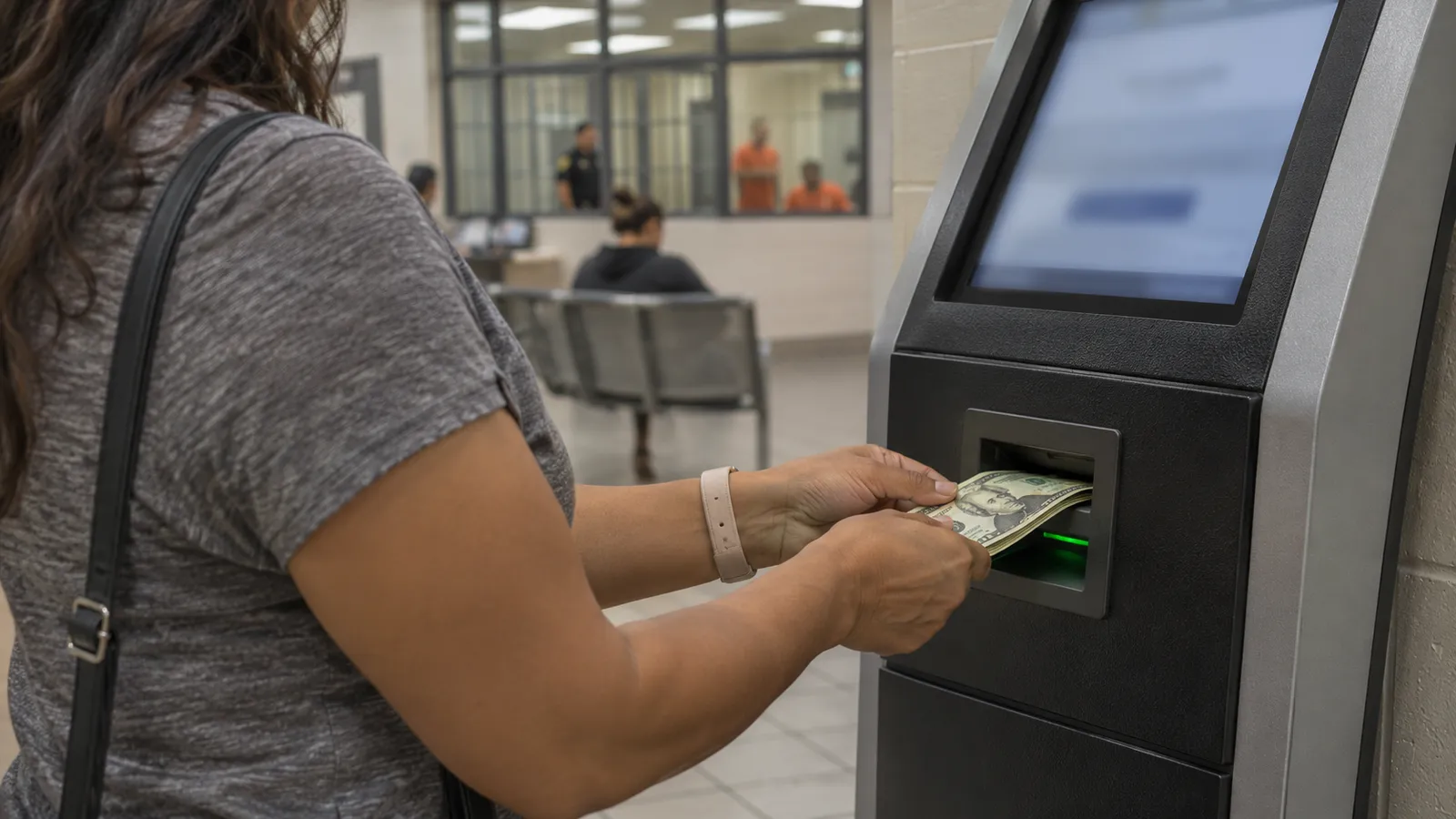
• A prepaid account in your name. You open it on the provider's website or app and add money. Calls to your number come out of that balance. Securus calls this AdvanceConnect. ViaPath calls it AdvancePay and runs it through ConnectNetwork.com. This is the most reliable option, because it works for cell phones.
• A debit account in the inmate's name. You put money on the person's phone or trust account, and they can call any approved number. This is handy when they need to call several people, like a lawyer, an employer and family.
• Collect calls. The charge goes on your phone bill. Many cell phone plans and prepaid phones block collect calls, so this often fails. Some providers will connect a first short call and then prompt you to open a prepaid account.
Expect a possible fee when you add money, and expect it to differ by payment method. Paying online or by phone with a card often costs more than other options, so read the screen before you confirm. Prepaid balances can also expire after a long stretch with no calls, so ask the provider for a refund of what is left once the person is released.
- Make sure the account name matches the facility. A ViaPath account will not pay for calls from a Securus jail.
- Some jails make inmates list approved numbers before they can call them. If calls are not coming through, ask the person to check their call list.
What jail calls cost under FCC rules
For years, jail call rates were set by contracts that often paid the county a share of every call, called a site commission. A 15-minute call could cost several dollars. Federal law has changed that, but the rules have moved around a lot since 2023.
Congress passed the Martha Wright-Reed Just and Reasonable Communications Act of 2022. It was signed on January 5, 2023, as Public Law 117-338. The act gave the Federal Communications Commission power to set "just and reasonable" rates for in-state calls and for video calls from jails and prisons, not only for calls that cross state lines.
In July 2024 the FCC used that power in an order that set much lower caps, including 6 cents a minute for large jails and 12 cents a minute for very small jails, and banned site commissions. Those caps never took full effect. In mid-2025 the FCC put the compliance deadlines on hold. On October 28, 2025, it adopted a new order (FCC 25-75) that replaced the 2024 caps with higher interim caps and kept the ban on site commissions. Providers had to follow the new caps by April 6, 2026.
Here are the per-minute audio caps now in the federal rules (47 CFR 64.6030). Jail size is measured by average daily population, or ADP:
• Jails with 1,000 or more people: $0.08
• Jails with 350 to 999: $0.10
• Jails with 100 to 349: $0.11
• Jails with 50 to 99: $0.13
• Jails with 49 or fewer: $0.17
Providers can add up to $0.02 a minute on top of those caps to cover the jail's costs of running the service. So the most a 15-minute call should cost is $1.50 at a jail with 1,000 or more people, and $2.85 at a jail with fewer than 50. Video calls have their own caps, ranging from $0.17 to $0.42 a minute for jails, plus the same additive.
These are ceilings. Many jails charge less, and some states set lower rates or make calls free. The caps are also labeled interim. The FCC is still gathering cost data and taking comments on permanent caps, and court challenges to the earlier 2024 rules have been working through the federal courts. Check the FCC's incarcerated people's communications services page for the current status before you file a complaint about a rate.
- If a jail charges more per minute than the caps above, save your receipts and statement and file a complaint with the FCC at fcc.gov/complaints.
Every call is recorded, except calls with a lawyer
Before each call, a recording tells both sides that the call may be monitored and recorded. Take that at face value. Jail staff and prosecutors can listen to these calls, and recorded calls are used as evidence in criminal cases all the time.
Do not talk about the facts of the case, who said what, or what the person plans to tell the judge. Do not try to add a third person with three-way calling or call forwarding. Most systems detect it and cut the call, and it can cost the person phone privileges.
Calls with a defense lawyer are treated differently. Attorney-client conversations are privileged, so jails let lawyers register their numbers as private, and calls to those numbers are not supposed to be recorded. The lawyer, not the family, has to set this up. In Columbia County, Oregon, attorneys fill out an online form for each number, and the sheriff's office warns it can take up to 5 days to enter, with calls recorded until then. New York City's jails accept do-not-record requests from attorneys, treating doctors and endorsed clergy, and say approval can take up to 10 business days.
Mistakes happen. Jails and phone companies have recorded privileged calls in the past, often because a lawyer's cell phone or a second office line was never registered. If the person needs to talk to their lawyer about the case, a legal visit or a call on a registered line is safer than a regular call.
In-person visits and video visits
County jails offer some mix of three visit types, and the jail's website will say which ones it has.
• In-person visits. You go to the jail and talk through glass or, at some jails, in a contact room. Tarrant County, Texas, which holds people in Fort Worth, still runs in-person visits on set days based on the inmate's last name.
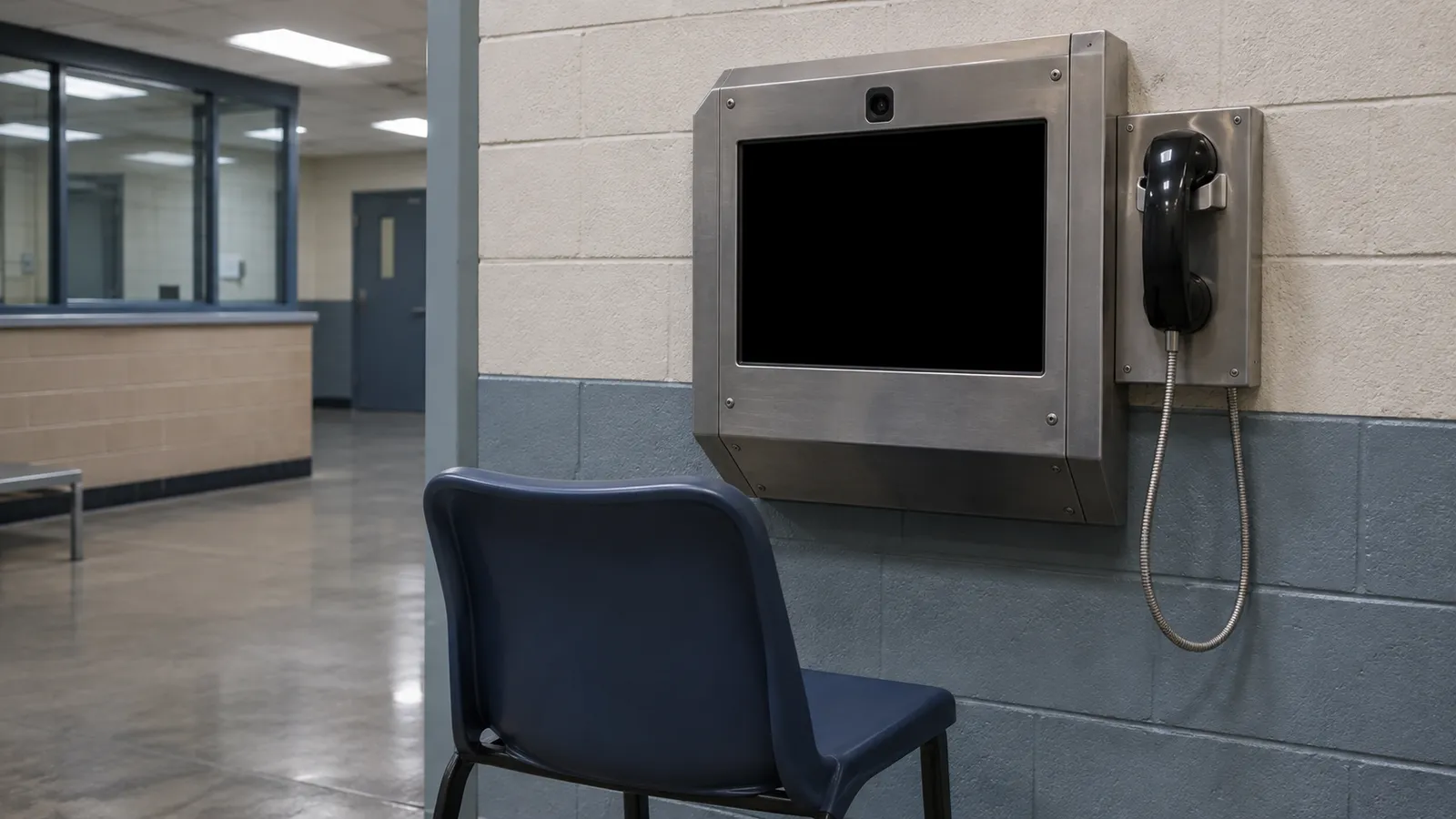
• On-site video visits. You go to the jail lobby and talk on a video screen. These are often free. Alpena County, Michigan, offers one free 25-minute on-site video visit per week.
• Remote video visits. You use a phone or computer from home and pay by the minute. Fairfax County, Virginia, charges 10 cents a minute through Smart Communications. Alpena County charges 20 cents a minute, sold in 30-minute blocks.
Many jails replaced in-person visits with video in the last decade, and some have since added in-person visits back. Remote video visits are more convenient, but they cost money and the connection can drop. On-site video is free at many jails but you still have to travel.
Video visits are recorded and can be monitored, the same as calls. Alpena County states that all on-site and off-site visits are recorded and that visiting means you consent to it.
How to schedule a visit
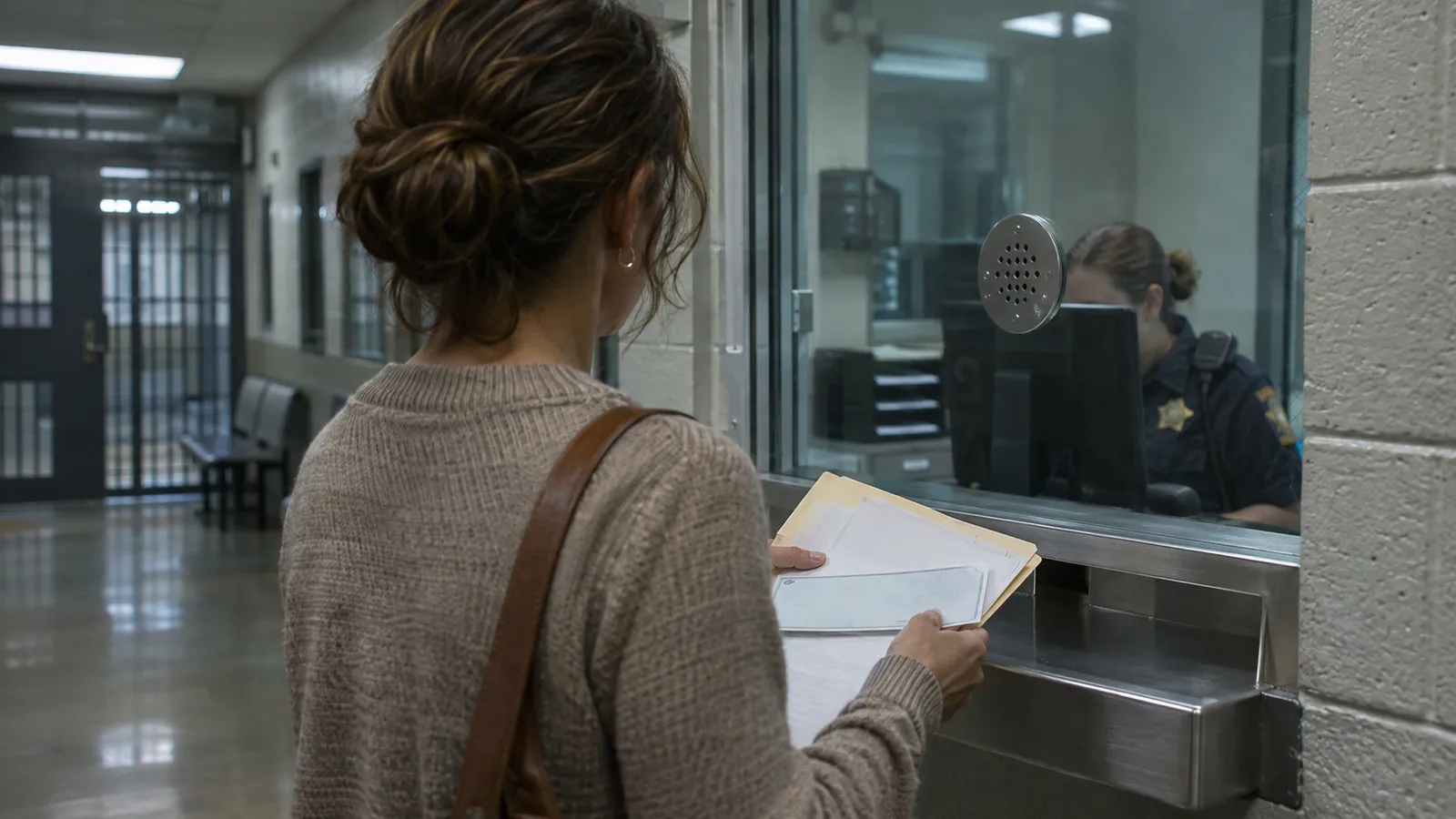
Most jails want you to book ahead, and most video visits are booked through the provider's website, not through the jail. Fairfax County tells families to schedule with Smart Communications and not to send visit requests to the sheriff's office. It asks for at least 24 hours' notice, or the person may not be told about the visit.
Expect to create an account, upload a photo of your ID and wait for approval before you can book. Some jails also require you to be on the inmate's approved visitor list.
Limits are common. Tarrant County allows one 30-minute visit per day and up to three per week, with no more than two adults and two children at a time. Fairfax allows one video visit a day for people in general population. People in new-arrival units, medical units or discipline may get fewer visits or none.
Visits can be canceled without much warning for lockdowns, staffing gaps or court transport. Check your email or the provider app on the day of the visit, and arrive early for in-person visits. Tarrant County opens sign-up 30 minutes before visiting hours begin.
- Book the first visit as soon as the person is out of booking. Popular time slots fill up.
- If you were recently in custody yourself, check the rules first. Tarrant County bars visitors who were held in its jails in the past six months.
ID and dress rules
Adults need a valid photo ID for every in-person or on-site visit, and usually to register for remote video too. Tarrant County accepts a Real ID driver's license or ID card from any state, a passport, a military ID, a photo immigration ID or a Mexican Consulate card. Visitors under 18 can use a school photo ID and must come with an adult.
Dress codes are strict and enforced at the door. Tarrant County bans revealing shorts, sundresses, sleeveless tops, see-through or tight clothing, pajamas, hats, skirts more than two inches above the knee, and khaki, green or military-style clothing that could look like a uniform. Alpena County bans low-cut blouses, tank tops, short skirts, tight shorts and hats, and requires shoes for on-site visits.
Remote video visits usually have dress rules too. A visit can be ended if someone on camera is not fully dressed, if another person who is not registered joins, or if anyone tries to record the screen.
Leave your phone, bag and keys in the car or a locker. Tarrant County does not allow phones, cameras, purses, backpacks, food or drink in the visit area, with a small exception for infant supplies.
- Wear a plain T-shirt, long pants and closed shoes. That outfit passes almost every jail dress code.
- Bring the ID you registered with. An expired license or a paper temporary license without a photo can get you turned away.
Common questions
Can you call an inmate in county jail?
No. Jails do not connect incoming calls to people in custody. The person has to call you through the jail's phone provider. To make sure their call reaches you, open a prepaid account with that provider and add money to it.
How much does a jail phone call cost in 2026?
Under the FCC caps in effect since April 6, 2026, jail audio calls are capped at 8 to 17 cents a minute depending on jail size, plus up to 2 cents a minute for facility costs. A 15-minute call should cost no more than about $1.50 to $2.85. Many jails charge less.
Are jail calls recorded?
Yes. Regular calls and video visits are recorded and can be used in court. Calls to a lawyer's registered number are supposed to be private, but the lawyer has to register each number with the jail.
How do I set up video visitation with an inmate?
Find the jail's video provider on the sheriff's website, create an account on that provider's site or app, upload your ID and wait for approval. Then book a time slot, usually at least 24 hours ahead, and pay if it is a remote visit.
Why can't I receive calls from the jail on my cell phone?
Most cell plans block collect calls. Open a prepaid account with the jail's phone provider so calls are paid from your balance instead of your phone bill. Also make sure your number is not blocked in the provider's system.
What should I wear to visit someone in jail?
Wear plain, loose clothing that covers your shoulders, chest and knees, with closed shoes. Avoid hats, tank tops, short skirts, see-through fabric and anything that looks like a staff or inmate uniform.
Sources
- Martha Wright-Reed Just and Reasonable Communications Act, Public Law 117-338 (GovInfo)
- FCC 2025 IPCS Order, Federal Register, December 5, 2025 (GovInfo)
- 47 CFR 64.6030, Rate caps (Cornell LII)
- Fairfax County Sheriff's Office: Video visitation
- Alpena County, Michigan: Jail visits
- Tarrant County Sheriff's Office: Visitation rules
- Columbia County Sheriff's Office (Oregon): Attorney phone calls
- NYC Department of Correction: Preventing recording of calls
General information, not legal advice. Laws and court rules differ by state and change; for a specific case, talk to a lawyer licensed in that state.