To send mail to an inmate, put their full name and booking or register number on the envelope with your full return address, and use the exact address on the jail's mail page. Many jails now send letters to an outside company that scans them onto tablets, and some accept only postcards. Books usually have to ship new, straight from a publisher or an approved store, never from you.
The short answer
Mail rules in jails and prisons are local. Each sheriff writes its own, and they change often. The steps below work almost everywhere, but the jail's own mail page decides what gets through.
Find that page before you write anything. It tells you the right address, which may not be the jail's street address, whether letters are scanned, whether only postcards are allowed, and how books must be sent. Mail that breaks a rule is usually returned to you or thrown away. Either way, the person never sees it.
- Get the person's full legal name and booking or inmate number from the jail roster.
- Look up the jail's mail rules on the sheriff's website, or call and ask.
- Put your full name and return address on every envelope.
- Send books only from the source the jail names. Do not mail them yourself.
How to address a letter to an inmate
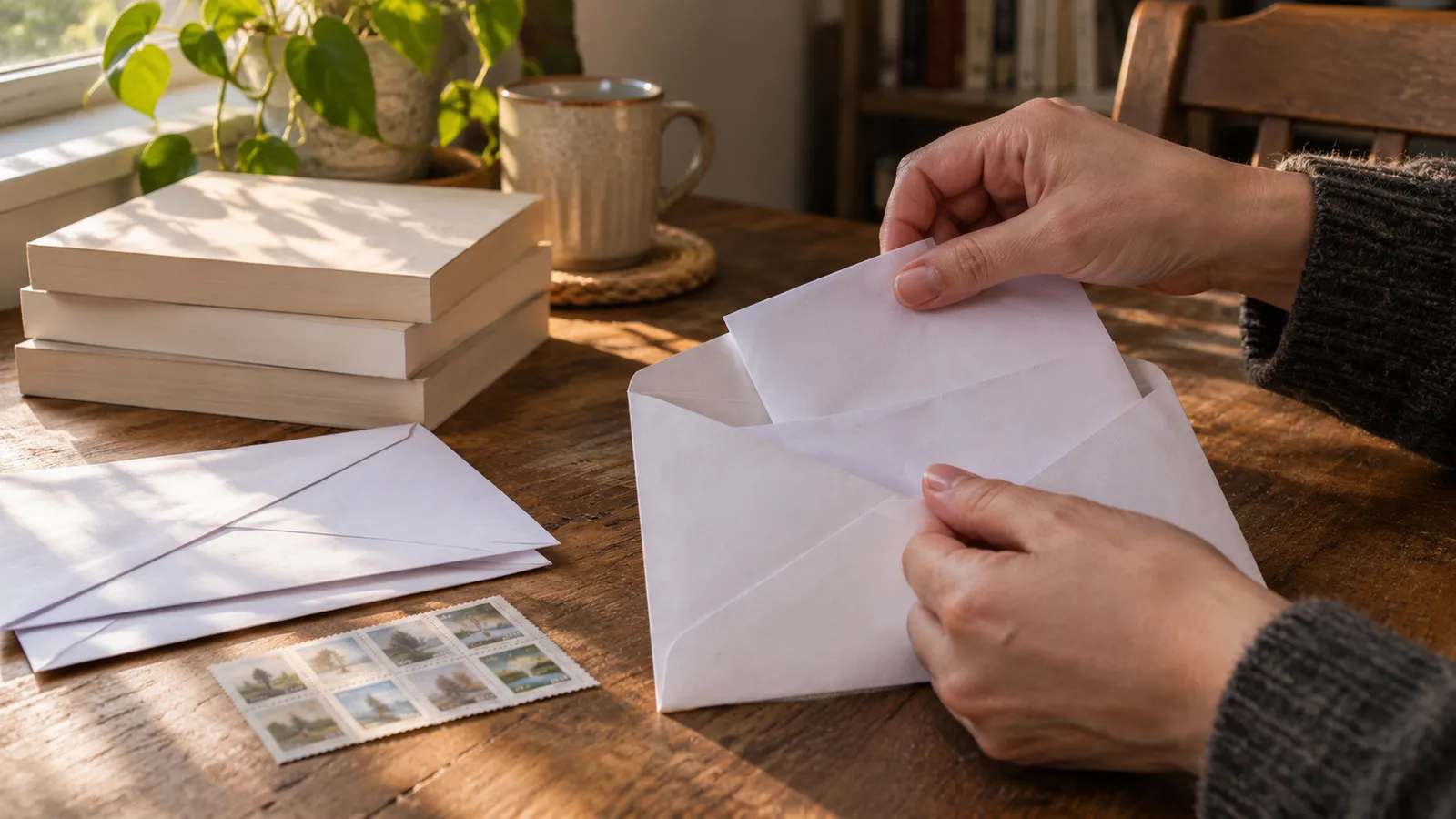
For a county jail, the envelope usually needs the person's full name, their booking or inmate number, and the mailing address the jail lists for inmate mail. Write the name the way it appears on the roster, not a nickname.
Your return address goes in the top left corner. Many jails reject mail without one. Fairfax County, Virginia requires a full return address with your first and last name on letters and photo mailings.
Check the address carefully. In jails that scan mail, letters go to the scanning company, not to the jail. Fairfax County sends personal mail to Smart Communications at a P.O. box in Seminole, Florida, and says letters sent to the jail's own address are denied. Tarrant County, Texas stamps personal mail sent to the jail "Return to Sender" with directions to the new address. Each jail has its own box number at the scanning company, so never copy an address from another county.
For federal prison, use the person's committed name and eight-digit register number from the BOP inmate locator, followed by the mailing address on the facility's page at bop.gov.
Many jails now scan letters instead of delivering them
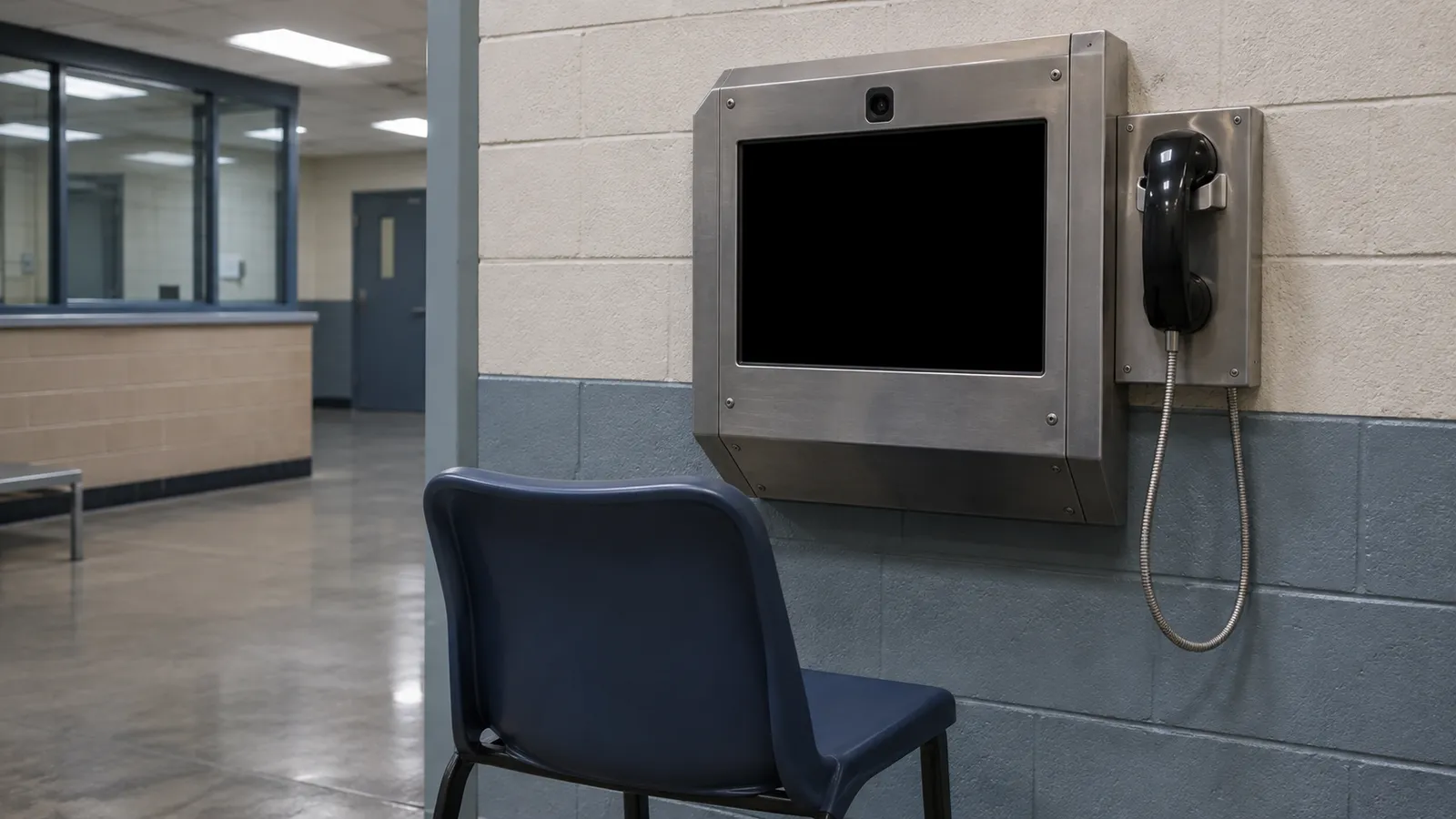
A growing number of jails no longer hand out paper mail. A vendor opens each letter, scans it, and the person reads it on a tablet or kiosk. The original is held for a while and then destroyed.
Fairfax County works this way. Smart Communications opens and scans the mail, and the jail's mail room screens the scanned copy. The county says it can take 6 to 8 days for mail to reach the person, and originals are kept 45 days and then destroyed. Tarrant County also sends general mail to an outside company to be scanned, and approved mail shows up on the person's tablet.
This is spreading. In a November 2022 survey, the Prison Policy Initiative found 14 state prison systems scanning all incoming mail and 15 local jails that had replaced paper mail with digital copies. It called both numbers an undercount. It also reported complaints that scans can be blurry or missing pages.
What this means for you: write clearly in dark ink on plain white paper. Skip perfume, lipstick, glitter and anything glued on. Do not send anything bound or folded like a booklet. Fairfax says the scanning company cannot process anything bound or opened like a book and will reject it.
- If the jail uses a scanning company, look on the vendor's site for a way to track your letter. Fairfax says senders can sign up with Smart Communications for delivery alerts.
Postcard-only jails
Some county jails accept only postcards for personal mail. Legal mail is the usual exception.
Bates County, Missouri is a good example of how strict this can be. Personal mail must be a standard white postcard no larger than 5 by 7 inches. Index cards, photographs used as postcards, greeting cards, stained or altered cards, and cards with plastic, lipstick or perfume are all refused. Packages and bulk mail are returned unless they are legal mail.
Read the rules for postcards closely. Some jails allow picture postcards and some do not. A plain white postcard with a clear address and return address is the safest choice.
Sending photos
Most jails allow photos, with limits on number, size and content. All three county examples below cap them at 10 per envelope.
Fairfax County allows up to 10 photos per mailing and denies the whole mailing if there are more. Tarrant County allows 10 or fewer unframed photos, no larger than 4 by 6 inches. Bates County allows up to 10 at a time, no bigger than 4 by 6, in a plain white envelope.
Content rules are similar across jails. Nudity, partial nudity, sexual poses, weapons, drugs, alcohol and gang signs get photos rejected. Bates County says pictures showing drugs, alcohol or gang signs may be thrown away or put in the person's property.
If the jail scans mail, the person gets a scanned copy on a screen, not the print. Some families use the vendor's photo upload or messaging service instead, which usually costs money.
Can you send books to inmates?
Usually yes, but not from your home. Almost every jail and prison requires books to be new and shipped straight from a publisher or an approved seller. A book you pack and mail yourself will be rejected. Many jails also allow paperbacks only.
Federal prisons follow a rule in the Code of Federal Regulations, 28 CFR 540.71. Hardcover books and newspapers must come from the publisher, a book club or a bookstore. At medium security, high security and administrative facilities, softcover books must come from those same sources. At minimum and low security facilities, people may receive softcover books from any source.
County jails vary much more, and "publisher only" does not mean the same thing everywhere. Tarrant County accepts only new soft-backed books shipped directly from an established publisher, by UPS or USPS only. Packages from other couriers are refused, which shuts out Amazon deliveries, and books from Barnes and Noble are no longer accepted. In Gwinnett County, Georgia, the jail's website said books had to come from the publisher or an authorized retailer, but a deputy reportedly told a bookstore that only Amazon and Barnes and Noble were accepted. Avid Bookshop of Athens sued the sheriff over the policy in March 2024.
Some jails do not take books by mail at all. Bates County says books will not be accepted and are ordered through the jail. Fairfax County will not scan or deliver books sent through regular mail, but accepts books, magazines and newspapers shipped directly from a vendor to the jail.
Before you order, call the jail and ask three things. Which sellers are accepted? Are hardcovers allowed? How many books can the person have at once? Then have the seller ship to the jail's street address with the person's name and booking number on the label.
- Many volunteer "books to prisoners" groups mail free books that meet facility rules. Check that the group ships to the state and type of facility before asking.
Magazines and newspapers
Treat magazines like books. They normally have to arrive as a subscription from the publisher. Tarrant County requires magazines and crossword puzzle books to come by subscription from a publisher. It also does not accept newspapers or magazines dropped off at the jail.
Federal prisons let people subscribe to or receive publications without prior approval, unless the content is found to threaten security or good order. Hardcover publications and newspapers still have to come from the publisher, a book club or a bookstore.
A new subscription can take a while to start. If the person is likely to be moved or released soon, a subscription may arrive after they are gone.
Legal mail
Mail from a lawyer or a court gets more protection than personal mail. Jails can usually open it to check for contraband, but only in the person's presence, and staff are not supposed to read it.
For federal prisons, 28 CFR 540.18 says the sender must be clearly identified on the envelope, and the front must be marked "Special Mail - Open only in the presence of the inmate." Without both, staff may treat it as regular mail.
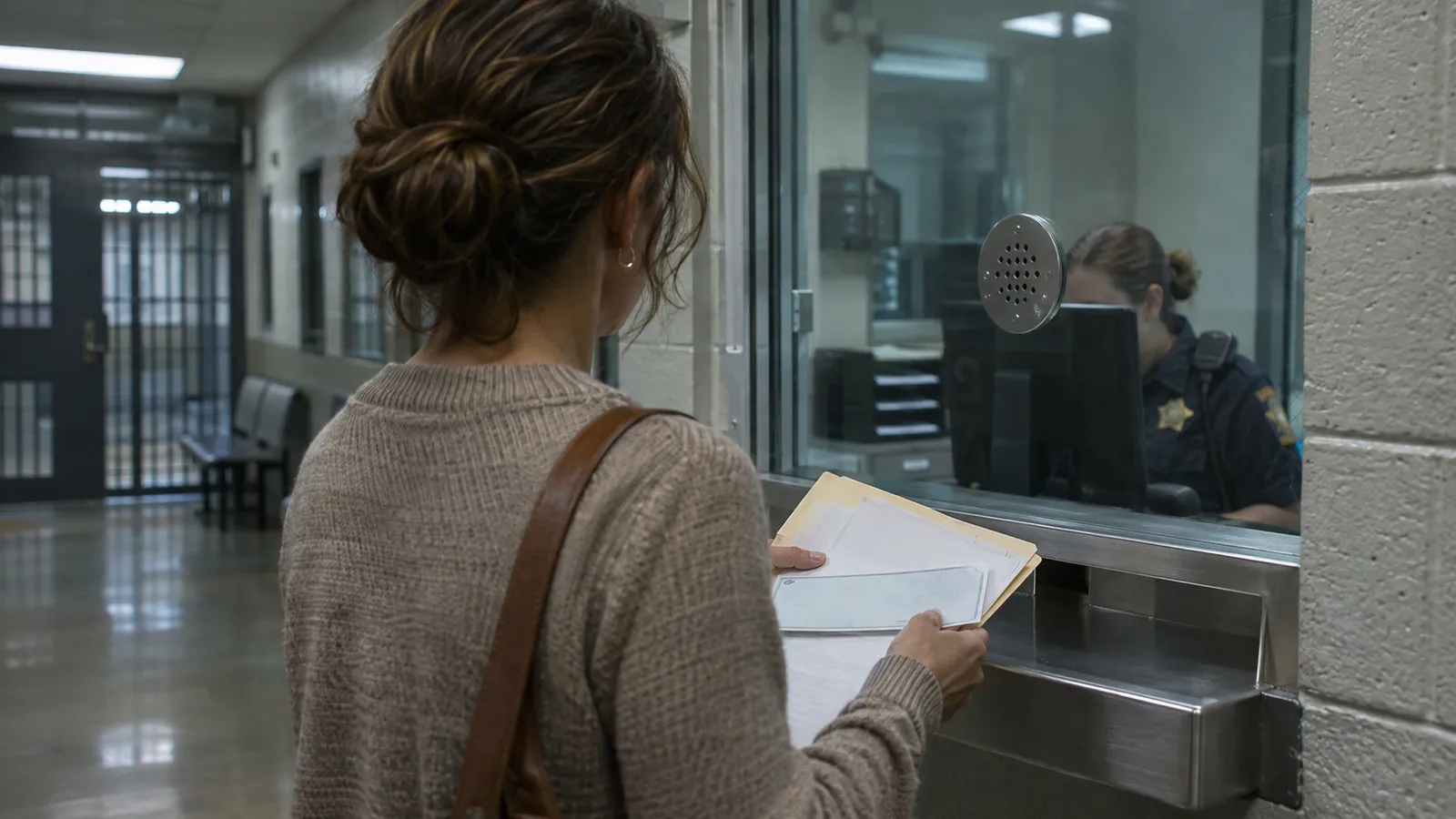
In jails that scan mail, legal mail usually goes to the jail directly, not to the scanning company. Fairfax County says legal mail from the attorney of record, a Commonwealth's attorney or the courts should be sent to the jail and labeled as legal mail. Tarrant County sends legal mail to 100 North Lamar Street, Fort Worth, Texas 76196. Some jails copy legal mail instead of handing over the original. Bates County copies it and shreds the original in front of the person.
Do not mark a personal letter as legal mail. Tarrant County rejects mail marked legal that contains non-legal material.
What gets mail rejected
The list differs by jail. These reasons all come from the Fairfax, Tarrant and Bates county rules quoted above, and you will see them in many others:
• No booking or inmate number, or no return address.
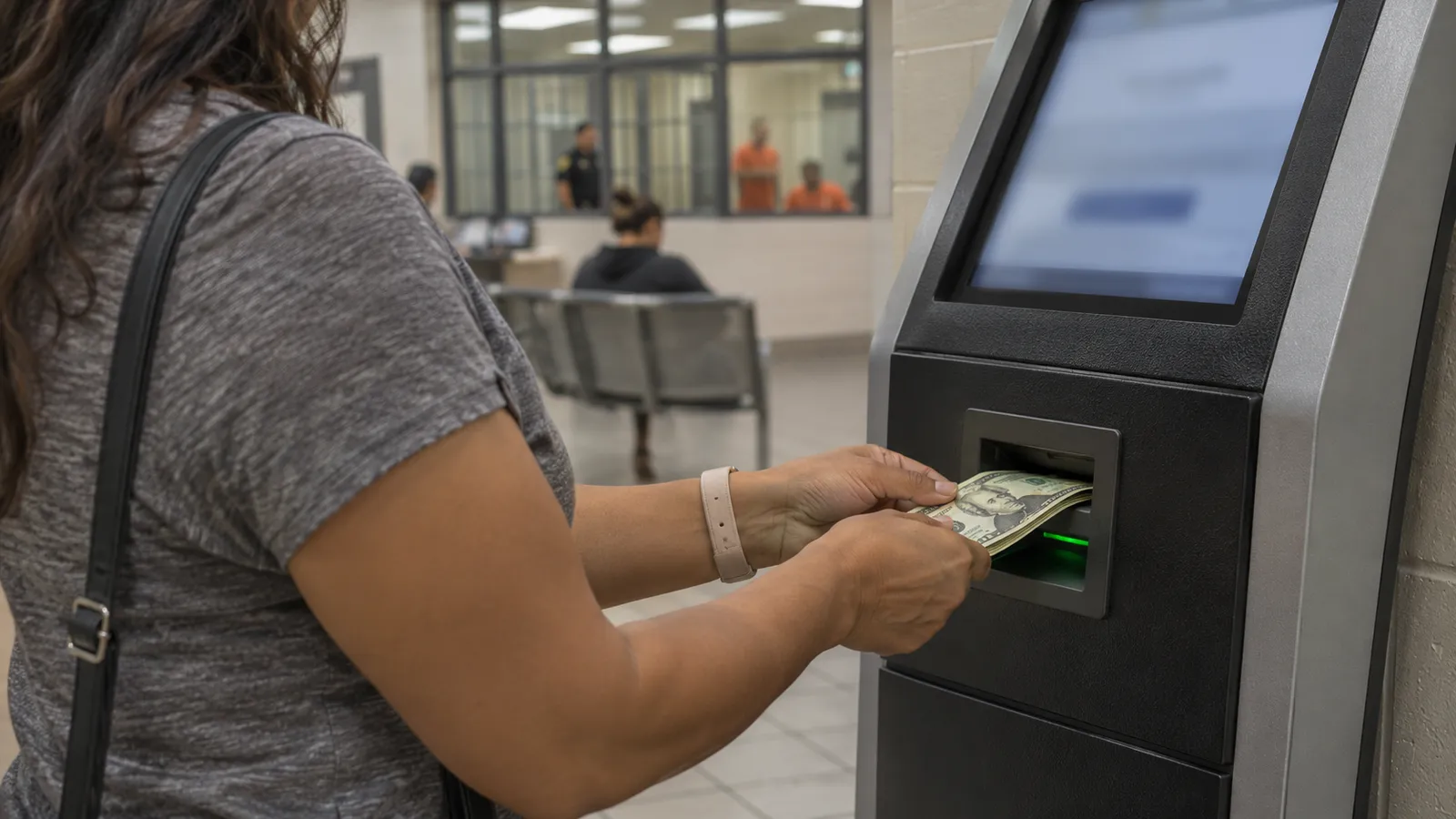
• Cash, personal checks or money orders inside a letter. Send money through the jail's deposit system instead.
• Too many photos, or photos that are too big or show nudity, weapons, drugs or gang signs.
• Books, magazines or newspapers that did not come from an approved source.
• Greeting cards. Bates County refuses all of them.
• Stains, plastic wrapping, perfume or lipstick on the paper.
• Mail addressed to jail staff or to a vendor instead of the person, or "3-way" mail meant to be passed along.
• Packages. The Bureau of Prisons does not allow packages from home without prior written approval, except release clothing and authorized medical devices. Bates County does not accept packages at all.
Content can also get a letter rejected. Jails screen for threats, plans to escape or smuggle, and material about weapons or drugs. Write the way you would if a stranger were reading, because one is.
Common questions
How do you send mail to an inmate?
Find the jail's mail page and use the exact address it lists. Put the person's full name and booking number on the envelope and your full name and return address in the top left corner. In many jails, letters go to a scanning company address rather than the jail itself.
Can you send books to inmates?
In most places, yes, if the book is new and ships directly from a publisher or an approved seller. Many jails take paperbacks only, and some take no books by mail at all. Federal prisons require hardcovers to come from the publisher, a book club or a bookstore.
Can you send books to an inmate from Amazon?
It depends on the jail. Gwinnett County, Georgia reportedly accepted only Amazon and Barnes and Noble shipments. Tarrant County, Texas refuses Amazon deliveries because it accepts only UPS and USPS, and requires books to come from an established publisher. Call the jail before ordering.
Can you send pictures to inmates?
Usually, within limits. Fairfax, Tarrant and Bates counties each cap photos at 10 per mailing, and Tarrant and Bates limit size to 4 by 6 inches. Nudity, weapons, drugs and gang signs are rejected. In jails that scan mail, the person sees a scanned copy.
Can inmates get greeting cards?
Some jails allow plain cards, but many do not. Bates County, Missouri refuses all greeting cards, and Fairfax County's scanning vendor rejects anything bound or folded like a book. A letter on plain paper or a white postcard is safer.
How long does it take for an inmate to get mail?
Expect several days to more than a week. Fairfax County, which scans mail through Smart Communications, says delivery can take 6 to 8 days. Mail held for review takes longer.
Sources
- Federal Bureau of Prisons: Communicating with an inmate (mail and publications)
- 28 CFR 540.71, Incoming publications (Cornell LII)
- 28 CFR 540.18, Special mail (Cornell LII)
- Fairfax County Sheriff's Office: Inmate mail policy changes
- Tarrant County Sheriff's Office: Inmate correspondence
- Bates County Sheriff, Missouri: Jail correspondence rules
- Reason: Georgia bookstore sues jail over book shipment policy (April 2024)
- Prison Policy Initiative: Mail scanning in prisons and jails (November 2022)
General information, not legal advice. Laws and court rules differ by state and change; for a specific case, talk to a lawyer licensed in that state.